
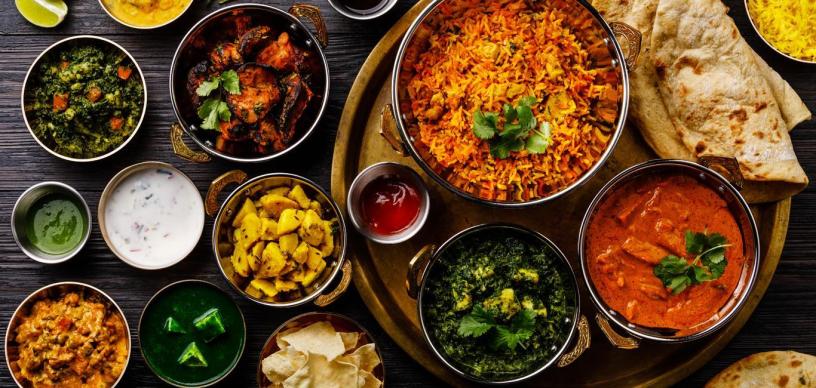
Introduction: The Essence of Food Beyond the Plate
Food, in its simplest form, sustains life. Yet its role in human civilization stretches far beyond basic nourishment. It is memory, ritual, pleasure, identity, and expression. Whether it’s a family’s secret recipe, a celebratory feast, or a quiet cup of soup on a rainy afternoon, food touches nearly every aspect of our emotional and social existence. In this article, we explore food not merely as a substance, but as a vibrant and evolving force in culture, health, creativity, and connection.
The Cultural Tapestry of Cuisine
Across every continent, food weaves a rich and varied narrative of place and people. A dish is never just a dish—it is often the product of centuries of migration, colonization, tradition, climate, and ingenuity.
Cuisine as Cultural Heritage
Every region on Earth has cultivated its own unique culinary language. These regional identities offer insights into how communities adapt to their environment, harvest local resources, and express their worldview.
-
Italian cuisine speaks to simplicity, regional pride, and reverence for seasonal ingredients.
-
Chinese culinary traditions embody balance, symbolism, and a deep philosophy about the harmony of flavors.
-
West African dishes reflect centuries of trade routes, indigenous crops like cassava and yams, and communal eating practices.
Such cuisines are more than collections of recipes—they are edible legacies passed from generation to generation.
Food in Ritual and Celebration
Across cultures, food takes center stage in both joyous and solemn occasions. Births, weddings, harvests, and religious observances all include specific dishes that symbolize hope, gratitude, or spiritual reverence.
-
Lunar New Year dumplings in China represent prosperity.
-
Easter breads in Europe symbolize renewal.
-
Diwali sweets in India express warmth and welcome.
These culinary rituals reflect shared values and reinforce collective memory.
The Sensory Power of Eating
Food stimulates all five senses, making eating a deeply immersive and emotional experience. The smell of baking bread, the crunch of a fresh apple, or the intricate colors of a composed salad all contribute to a kind of everyday art.
What Makes Food Memorable?
A truly memorable dish is not only delicious, but thoughtful in design.
-
Flavor layering: Achieving harmony between salty, sweet, sour, bitter, and umami.
-
Texture interplay: Combining smooth, crisp, tender, and chewy components for mouthfeel satisfaction.
-
Visual composition: Color contrast, height, and arrangement that please the eye.
-
Aromatic complexity: Spices, herbs, smoke, and fermentation that awaken the senses.
Chefs and home cooks alike tap into these elements to craft experiences, not just meals.
Food and Emotional Well-Being
The connection between food and emotion is deeply ingrained. From childhood favorites to mood-based cravings, food often becomes a conduit for comfort, nostalgia, and self-expression.
The Psychology of Comfort Food
Comfort food is often associated with warmth, familiarity, and emotional refuge. It may not always be the most nutritionally balanced, but its power lies in how it makes us feel.
-
Memory-evoking: A dish can evoke a parent’s care or a childhood moment.
-
Mood-enhancing: Certain foods can chemically influence mood, thanks to compounds that affect neurotransmitters like serotonin.
-
Routine-based: Ritualized meals provide a sense of structure and stability.
In challenging times, the act of preparing and enjoying food can become an intimate form of healing and grounding.
Nutrition and the Rise of Conscious Eating
As global access to information has expanded, so has awareness of what we eat—and how it impacts our health. This has given rise to conscious eating, a lifestyle shift that considers both individual well-being and broader ecological consequences.
Key Principles of Conscious Eating
-
Whole, unprocessed foods: Emphasis on ingredients as close to their natural state as possible.
-
Balanced nutrition: A focus on integrating macronutrients and micronutrients mindfully.
-
Plant-forward choices: Increasing plant intake for heart health and sustainability.
-
Mindful consumption: Slowing down to truly taste and savor, reducing overeating.
Consumers are now far more likely to read labels, seek ethical sourcing, and ask critical questions about where their food comes from.
Sustainability and Responsibility in the Food Chain
In today’s climate-conscious world, food choices carry weight. With agriculture contributing significantly to greenhouse gas emissions, biodiversity loss, and water consumption, the pressure to adopt more sustainable habits has become a defining theme of modern food discourse.
Paths Toward a Sustainable Plate
-
Seasonal eating: Consuming produce when it’s naturally abundant reduces energy use.
-
Local sourcing: Supporting nearby farms cuts down transportation emissions.
-
Waste reduction: Utilizing leftovers, composting scraps, and avoiding overbuying.
-
Alternative proteins: Exploring legumes, fungi, and lab-grown meats as protein sources with lower environmental impact.
Ethical food production also addresses labor rights, animal welfare, and equitable access—ensuring that food systems are not only green but just.
Innovation at the Table
Technology is rapidly transforming how we grow, prepare, and experience food. From farm to fork, innovation is ushering in new efficiencies, reducing waste, and reimagining culinary creativity.
Food Technology and the Future
-
Vertical farming: Growing food in stacked layers to maximize space and reduce pesticide use.
-
Precision agriculture: Data-driven farming techniques that optimize resource use.
-
AI-enhanced cooking: Smart appliances and recipe generators tailoring nutrition to personal needs.
-
Culinary experimentation: 3D-printed meals, edible packaging, and fusion dishes that challenge conventional boundaries.
These advancements suggest a future where food becomes even more personalized, sustainable, and experiential.
Conclusion: Food as a Living Story
Food is not static. It is constantly evolving, reflecting the changing tastes, values, and innovations of humanity. Yet at its core, food remains one of the most vital and visceral connections we share with ourselves and each other. It nourishes not only the body but the soul. Whether simple or extravagant, traditional or experimental, food is a universal language—spoken every day at tables across the globe.
To understand food is to understand life itself: dynamic, rich, imperfect, and endlessly meaningful. In honoring the stories, values, and craft behind what we eat, we elevate each meal from mere sustenance to celebration.

