
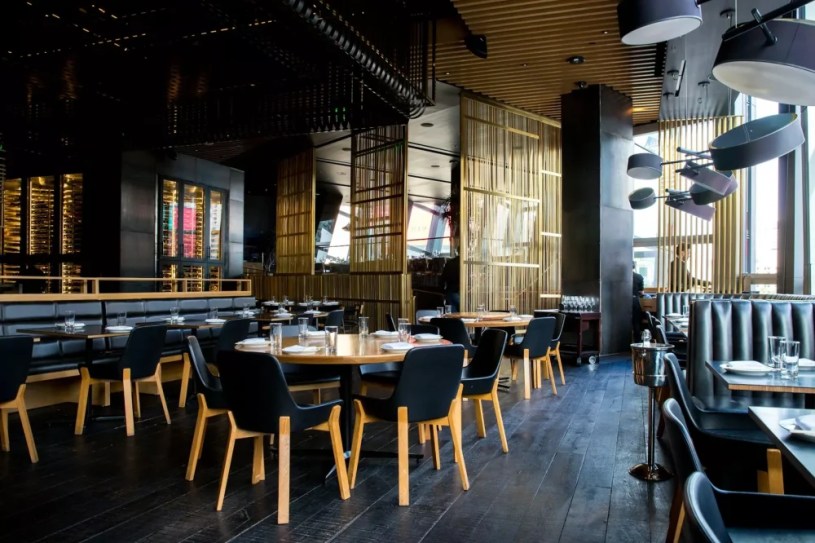
A restaurant is far more than a simple establishment where food is served. It is a complex social institution, a cultural hub, and an experience that engages all the senses. At its core, a restaurant embodies the intersection of culinary creativity, hospitality, and community gathering. This article delves into the multifaceted nature of restaurants, exploring their evolution, significance, and the subtle artistry that transforms a mere meal into an unforgettable experience.
The Evolution of Restaurants: From Ancient Taverns to Modern Culinary Destinations
The concept of restaurants dates back centuries, with roots tracing to ancient civilizations where inns and taverns provided food and rest for travelers. However, the modern restaurant, as we understand it today, took shape in 18th-century France. These early establishments introduced the idea of serving meals à la carte, allowing diners to select dishes individually, rather than eating whatever was offered communal style.
Since then, restaurants have evolved dramatically. Today’s dining venues range from casual cafés and fast food joints to Michelin-starred fine dining establishments. Each type reflects distinct culinary philosophies, target demographics, and cultural influences, yet all share the goal of delivering nourishment and enjoyment.
The Restaurant Experience: A Symphony of Elements
What distinguishes a restaurant from simply cooking at home or grabbing food on the go is the holistic experience it offers. This experience is crafted carefully through several interconnected elements:
Ambiance and Interior Design
The atmosphere of a restaurant sets the tone for the entire visit. Whether it is an elegant, dimly lit space exuding sophistication or a bright, lively environment buzzing with energy, design choices play a pivotal role. Lighting, furniture, color schemes, and even background music are meticulously chosen to complement the cuisine and enhance guest comfort.
Culinary Craftsmanship
At the heart of every restaurant lies its food. Culinary expertise extends beyond cooking skills to include creativity, sourcing quality ingredients, and understanding flavor profiles. A talented chef curates dishes that not only satisfy hunger but tell a story, evoke emotion, and highlight cultural heritage.
Service and Hospitality
Exceptional service is the invisible thread weaving the dining experience together. Attentive yet unobtrusive servers, knowledgeable sommeliers, and efficient management create an environment where guests feel valued and cared for. True hospitality anticipates needs and cultivates warmth, transforming patrons into loyal customers.
Social Interaction and Community
Restaurants serve as important social spaces, places where people connect, celebrate, and create memories. From intimate dinners to lively group gatherings, these establishments foster human connection, acting as a backdrop for stories, laughter, and shared experiences.
The Diverse Types of Restaurants
The restaurant industry is incredibly diverse, each category catering to different tastes, occasions, and expectations. Understanding this spectrum highlights how varied the dining world truly is.
-
Fine Dining: Known for impeccable service, luxurious ambiance, and high culinary standards, fine dining restaurants are destinations for special occasions. They often feature tasting menus and carefully paired wines.
-
Casual Dining: These restaurants offer a relaxed atmosphere with moderately priced menus. They balance quality and convenience, appealing to families and everyday diners.
-
Fast Food: Focused on speed and affordability, fast food outlets serve standardized menus designed for quick consumption, often on the go.
-
Cafés and Bistros: Smaller and more informal, these spots emphasize light meals, coffee, and a cozy environment perfect for casual meetups or solitary moments.
-
Ethnic and Specialty Restaurants: These venues celebrate specific cultural cuisines, offering authentic dishes that provide diners with a taste of global diversity.
-
Pop-ups and Food Trucks: Emerging trends in the dining scene, these temporary or mobile eateries provide innovative menus and unique culinary experiences outside traditional brick-and-mortar locations.
Challenges Facing Modern Restaurants
While the restaurant business can be immensely rewarding, it is also fraught with challenges. Running a successful restaurant requires balancing creativity with operational efficiency and adapting to shifting consumer trends.
Some key challenges include:
-
Maintaining Consistent Quality: Ensuring that every dish meets high standards day after day is a demanding task.
-
Managing Costs: From sourcing ingredients to staffing and overhead expenses, cost control is essential for profitability.
-
Navigating Regulatory Compliance: Health codes, licensing, and labor laws add layers of complexity to operations.
-
Adapting to Changing Consumer Preferences: Modern diners often seek sustainability, health-conscious options, and innovative dining formats.
-
Impact of Technology: The rise of delivery platforms, digital reservations, and contactless payments requires technological savvy.
The Future of Restaurants: Innovation Meets Tradition
Looking ahead, restaurants continue to evolve, blending timeless traditions with technological advancements. Sustainability is increasingly at the forefront, with many establishments prioritizing farm-to-table sourcing, waste reduction, and energy efficiency. Technology also enhances convenience and personalization, from AI-powered reservation systems to virtual menus.
Simultaneously, the desire for authentic, human-centered dining experiences remains strong. Restaurants that succeed will be those that master the delicate balance between innovation and the enduring appeal of genuine hospitality.
Conclusion: Why Restaurants Matter
Beyond satisfying appetite, restaurants enrich cultural life, foster social bonds, and stimulate economic activity. They are spaces where artistry meets commerce, where chefs and servers collaborate to create moments of joy and connection. Each restaurant tells a unique story, not just through its menu but through the ambiance, service, and community it nurtures.
In essence, a restaurant is a living organism—a dynamic space where food becomes a language of expression, and dining transforms into a cherished ritual. Whether it is a quiet café or a grand dining hall, the restaurant remains a cornerstone of human experience, inviting us to gather, savor, and celebrate life’s flavors.

