
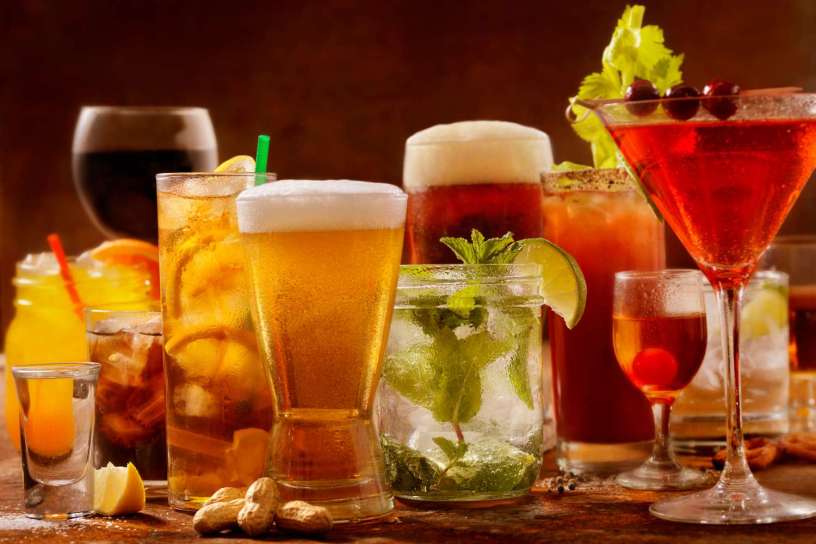
From the steam rising off a freshly brewed cup of coffee to the gentle effervescence of vintage champagne, drinks and beverages are deeply ingrained in the daily lives of people across the globe. They are more than mere refreshments; they are cultural artifacts, social lubricants, and personal rituals. Whether savored in solitude or shared in celebration, beverages embody identity, tradition, innovation, and intention.
In this exploration, we delve into the elegant spectrum of global drinks and beverages, examining their cultural roots, evolving trends, and the growing consciousness shaping how we sip today.
The Cultural Foundations of Beverages
Throughout history, civilizations have centered pivotal moments around beverages. From spiritual ceremonies to royal banquets, drinks have often held symbolic weight, marking transitions, celebrations, and shared values.
Notable cultural traditions include:
-
Chinese Tea Ceremonies: Tea in China is a cultural cornerstone dating back thousands of years. The act of brewing and serving tea is not just about flavor, but about harmony, respect, and inner stillness.
-
French Wine Rituals: Wine in France is more than agriculture—it’s artistry. Rooted in regional pride, French wine reflects the land and seasons, with each bottle offering a sensory interpretation of terroir.
-
Middle Eastern Coffee Culture: In places like Lebanon and Turkey, coffee is slow, strong, and spiced—often brewed in small copper pots and served during social rituals that prioritize conversation and connection.
These customs show us that beverages are deeply embedded in how communities express hospitality, identity, and reverence for the moment.
The Evolution of Non-Alcoholic Sophistication
While alcoholic beverages have long dominated the table, non-alcoholic drinks have recently undergone a transformation, moving from an afterthought to a focal point of culinary creativity. This evolution has largely been driven by wellness-minded consumers seeking complexity without compromise.
Prominent developments include:
-
Elevated Mocktails: Crafted with care, modern mocktails utilize artisanal syrups, infused waters, exotic fruits, and herbal tinctures to create layered, aromatic experiences—without the alcohol.
-
Functional Beverages: These drinks combine flavor with purpose. From kombucha rich in probiotics to adaptogenic tonics laced with ashwagandha and maca, health-enhancing properties are central to their appeal.
-
Premium Coffee and Tea: Specialty coffee has become a global phenomenon, with single-origin beans, meticulous brewing techniques, and third-wave cafés offering an almost connoisseur-like experience. Likewise, tea drinkers are embracing matcha ceremonies, oolong flights, and artisanal chai blends.
This movement underscores a key cultural shift: people are no longer drinking just to unwind or wake up—they’re drinking to connect with themselves, with craft, and with conscious living.
The Lasting Allure of Alcoholic Beverages
Despite the rise of non-alcoholic offerings, alcoholic beverages retain a timeless appeal, rooted in history and elevated by innovation. For many, a well-poured glass of wine or a finely aged spirit is as much about appreciation as it is about indulgence.
1. Wine: A Dialogue with the Earth
-
Wines are expressions of geography and climate. Old World regions like Burgundy and Rioja carry centuries of winemaking tradition, while New World producers in places like Chile and Australia are introducing bold interpretations.
-
Natural and biodynamic wines have emerged as a trend, reflecting environmental ethics and minimal intervention practices that result in raw, expressive profiles.
2. Spirits: Art in Distillation
-
Whiskey: From peated Islay Scotch to smooth Tennessee bourbons, whiskey offers richness born of time, oak barrels, and grain.
-
Gin: A renaissance spirit, gin now showcases creative botanicals—jasmine, black pepper, citrus peel, or even foraged herbs.
-
Rum & Tequila: Moving beyond stereotypes, small-batch producers in the Caribbean and Mexico are elevating these spirits into premium sipping categories.
3. Beer: From Monastery to Microbrewery
-
Craft beer continues to surge, with IPAs, sours, and stouts showcasing bold flavor profiles. Brewers are embracing local ingredients and unconventional processes such as wild fermentation or barrel aging.
-
At the same time, classic European styles—Belgian dubbels, Czech pilsners, German lagers—maintain a steady foothold for their balance and tradition.
These categories offer not just taste, but storytelling—each bottle, cask, or pour is a reflection of place, process, and personality.
Ritual, Etiquette, and the Art of Serving
The value of a drink often lies not only in its taste, but in how it is presented and consumed. Etiquette and ceremony lend drinks their gravity, transforming them into experiences rather than mere consumables.
-
Japan’s Respectful Pour: In Japanese culture, it is customary to pour drinks for others, particularly with sake, as a gesture of respect and attentiveness.
-
The British Tea Hour: Afternoon tea, with its polished etiquette, tiered trays, and delicate china, remains a celebrated moment of pause and politeness.
-
Toasting Traditions Worldwide: Whether it’s “cheers,” “prost,” “salud,” or “kanpai,” the shared clinking of glasses signifies unity, celebration, and goodwill.
In a fast-paced world, these rituals remind us of the grace and intimacy that beverages can offer.
Sustainability: A Quiet Revolution in the Cup
As consumer values shift toward environmental awareness, the beverage industry is responding with meaningful change. Sustainability is no longer optional—it is expected.
Sustainable innovations include:
-
Eco-Friendly Packaging: Compostable straws, aluminum wine bottles, reusable coffee cups, and glass alternatives are reducing environmental footprints.
-
Ethical Sourcing: Fair trade certifications and direct trade models are ensuring that farmers and producers receive just compensation, particularly in coffee, tea, and cacao industries.
-
Water Conservation: Breweries, vineyards, and distilleries are investing in water-saving technologies and closed-loop systems to protect local ecosystems.
This new standard of mindful production aligns with a broader desire to make ethical choices—right down to what fills our glasses.
The Personal Side of Sipping
Beyond trends, beverages are deeply personal. A morning cappuccino with foamed milk may feel like a small luxury, while a late-night herbal tea might signify self-care. A neat glass of whiskey may signal sophistication, while a sparkling elderflower spritzer offers a lighter kind of pleasure.
We choose our drinks not only for their flavors, but for how they make us feel—grounded, uplifted, connected. They serve as extensions of our personality, mood, and moment.
Conclusion: More Than a Drink
To view beverages simply as liquids in a glass is to overlook their quiet poetry. They carry memory, ceremony, craftsmanship, and care. Whether brewed, steeped, shaken, fermented, or distilled, drinks are an essential expression of human culture.
As we grow more discerning about what we consume and how it is made, the world of drinks and beverages continues to expand in both meaning and artistry. In a single sip, we can taste the past, present, and future—one elegant pour at a time.

