
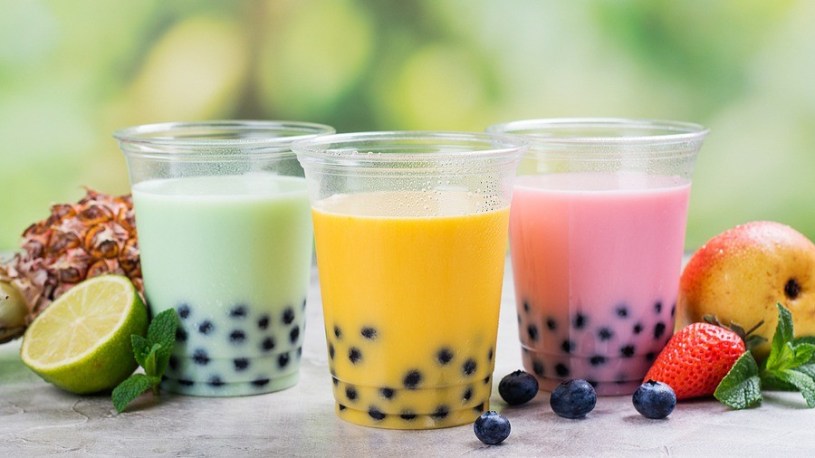
The world of drinks and beverages is far more than a collection of cups, glasses, and concoctions. It is an evolving narrative, a reflection of cultural identity, a testament to human innovation, and, often, a quiet indulgence in daily life. Whether it’s a rich cup of Ethiopian coffee savored at dawn or a celebratory glass of vintage champagne raised at dusk, what we drink says much about who we are, where we come from, and what we value.
This refined journey through the realm of beverages offers more than just a menu of drinks—it opens a window into the stories behind them, the traditions they carry, and the transformations they continue to undergo in our modern world.
The Cultural Significance of Beverages
From ancient civilizations to contemporary cafés, beverages have been central to social rituals, spiritual ceremonies, and moments of introspection.
Ingrained in tradition:
-
Tea in Asia: In countries like Japan and China, tea transcends refreshment. It embodies ritual, mindfulness, and hospitality. The Japanese tea ceremony, for instance, is an art form that emphasizes grace, etiquette, and spiritual harmony.
-
Coffee in the Middle East and Ethiopia: Ethiopia is often considered the birthplace of coffee, and in Middle Eastern cultures, coffee plays a ceremonial role. Served strong, dark, and often spiced, it is both a welcome gesture and a symbol of trust.
-
Wine in Europe: In France and Italy, wine is not just a drink—it is part of a cultural inheritance. From the sun-drenched vineyards of Tuscany to the historic cellars of Bordeaux, every glass tells a tale of terroir, craftsmanship, and time.
These examples underscore how deeply beverages are woven into the social and spiritual fabric of civilizations.
A Renaissance of Non-Alcoholic Elegance
In recent years, a remarkable shift has taken place in global beverage trends. No longer confined to sugary sodas or uninspired juices, the non-alcoholic drinks market is flourishing, offering elevated, health-conscious, and artfully crafted alternatives.
Emerging highlights:
-
Gourmet Mocktails: Mixologists are embracing zero-proof cocktails with the same level of precision and creativity as traditional spirits. Ingredients like yuzu, ginger syrup, smoked salt, and lavender bitters are creating new layers of depth.
-
Wellness Infusions: Beverages infused with adaptogens, collagen, ashwagandha, and turmeric are increasingly popular, blending health benefits with luxurious flavors.
-
Specialty Teas and Botanical Waters: From single-origin Darjeeling to artisanal sparkling waters enhanced with herbs like basil and elderflower, today’s non-alcoholic beverages cater to the refined palate.
The result is a sophisticated category that no longer stands in the shadow of its alcoholic counterpart.
The Timeless Allure of Alcoholic Beverages
Though the world is embracing moderation, the charm and complexity of alcoholic beverages remain a cherished part of global culinary tradition. Wine, spirits, and beer continue to evolve, even as they honor centuries of craftsmanship.
1. Wine: A Language of the Land
-
Red, white, or rosé, every bottle reflects its region—its climate, soil, and the hands that harvested the grapes.
-
Natural and biodynamic wines are gaining popularity, appealing to those who appreciate both purity of flavor and environmental responsibility.
2. Spirits: Distilled Heritage
-
Whiskey: Aged and layered with notes of oak, vanilla, smoke, or spice, whiskey remains one of the most complex spirits.
-
Gin: Experiencing a global renaissance, gin is now crafted with botanicals ranging from rose petals to seaweed, creating bespoke blends for discerning drinkers.
-
Mezcal and Rum: No longer relegated to beach cocktails, these spirits are enjoying refined interpretations and artisanal production.
3. Beer: The Artisan’s Brew
-
Craft beer has moved far beyond novelty. Today, microbreweries use locally-sourced hops, experiment with aging in wine barrels, and even incorporate seasonal fruits and spices.
-
Traditional European beers, like Belgian Trappists or German Märzens, are experiencing a renewed appreciation for their historical methods and consistent quality.
This ever-growing universe of alcoholic beverages is marked by innovation, regional pride, and a reverence for the past.
Rituals, Etiquette, and the Art of Presentation
What we drink is only part of the story—how we serve and consume beverages is equally rich with meaning. Around the world, presentation, pacing, and etiquette elevate drinking from routine to ritual.
-
Japan: Pouring a drink for another, rather than oneself, is a gesture of respect and humility.
-
Britain: Afternoon tea, with its layers of fine china, scones, and precise steeping times, remains a dignified pause in the day.
-
France: Champagne is more than a celebratory drink—it’s an ambassador of elegance. Its serving temperature, flute shape, and opening technique all contribute to the experience.
These rituals remind us that beverages can slow time, create connection, and transform the ordinary into the meaningful.
Sustainability in Every Sip
As global consciousness around sustainability rises, the beverage industry is responding with innovative, eco-minded approaches.
Sustainable practices include:
-
Organic and regenerative agriculture in tea and coffee plantations to preserve soil health and biodiversity.
-
Reusable and recyclable packaging to minimize plastic waste, from aluminum wine bottles to bamboo coffee cups.
-
Ethical sourcing of ingredients like cacao for drinking chocolate, or fair-trade certification for coffee beans and herbal infusions.
Consumers are increasingly choosing drinks that reflect their environmental values—proving that taste and ethics can indeed coexist.
The Personal Expression of Drinking
Beyond cultural and ethical dimensions, beverage choices are often deeply personal. A meticulously brewed pour-over coffee may reflect a love of ritual and precision. A green juice infused with spirulina might express a commitment to health. A vintage port sipped slowly after dinner could speak to tradition and indulgence.
Our drinks become part of our identity—daily affirmations of our mood, taste, and sense of place.
Final Thoughts: The Poetry in the Pour
In a world increasingly driven by speed and convenience, the simple act of choosing a beverage becomes a moment of pause, a decision laced with meaning. Whether it’s a meditative matcha, a bracing espresso, or a celebratory cocktail, drinks bring people together and offer a glimpse into heritage, innovation, and individual style.
To drink well is not merely to taste but to appreciate. It is to understand the history behind the blend, the artistry of the maker, and the intention of the moment. As we lift our cups and glasses, we do more than hydrate—we participate in a timeless tradition of savoring life itself, one elegant sip at a time.

