
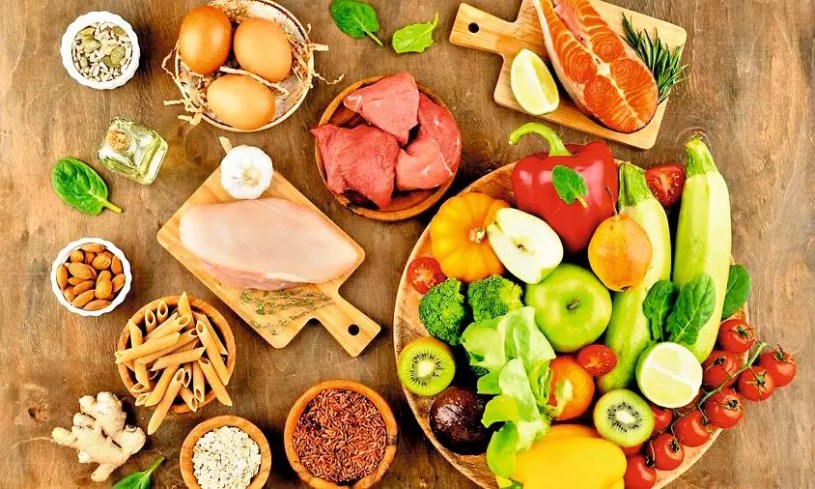
Introduction: Food as the Heartbeat of Civilization
Food is one of the most universal and intimate aspects of human existence. It is the daily thread that ties us to our history, our culture, our health, and one another. From a grandmother’s recipe passed down through generations to the street food vendor in a bustling city square, food is an ever-present companion in our journey through life. But beyond its necessity, food is also a language—one that communicates love, memory, identity, and transformation.
The Cultural Canvas of Cuisine
Across the world, food is a powerful marker of culture. It speaks volumes about who we are, where we come from, and how we see the world. Every cuisine carries within it a story of migration, survival, and ingenuity.
Key cultural elements in cuisine:
-
Heritage and Tradition: Culinary customs often serve as the most enduring links to ancestry. In Italy, the meticulous preparation of pasta isn’t just a habit—it’s an inheritance.
-
Geography and Ingredients: Regions blessed with certain crops or livestock tend to build their culinary identities around them. Coastal communities lean into seafood, while fertile plains give rise to robust vegetable-based diets.
-
Religious and Ritualistic Influence: From fasting during Ramadan to breaking bread during Christian communion, food plays a sacred role in many spiritual traditions.
Culture is dynamic, and so is cuisine. As globalization spreads, fusion foods and modern takes on classic dishes reflect a continually evolving cultural conversation.
Gastronomy: The Art and Science of Taste
Food is not merely sustenance; it can be exquisite art. In professional kitchens, chefs combine creativity with chemistry to deliver unforgettable gastronomic experiences. Culinary art lies not only in flavor but in balance, innovation, and presentation.
The creative process in fine dining includes:
-
Flavor Balance: Harmonizing the five basic tastes—sweet, salty, bitter, sour, and umami—requires skill and a refined palate.
-
Texture and Temperature: A dish should engage all senses. The crunch of a crust, the silkiness of a mousse, or the surprise of a cold center can elevate an experience.
-
Visual Elegance: Aesthetics matter. In haute cuisine, plates are canvases and sauces are brushstrokes.
Michelin-starred restaurants may seem far from the ordinary kitchen, yet the principles of thoughtful cooking are universal: care, attention, and a desire to nourish not just the body but the soul.
Health, Nutrition, and Conscious Eating
In today’s fast-paced world, many are re-examining their relationship with food. No longer is taste alone the ultimate criterion—health, sustainability, and awareness now play a major role in dietary decisions.
Emerging food philosophies include:
-
Plant-Based Eating: Many are turning to vegetarian or vegan diets for health, ethical, or environmental reasons.
-
Mindful Eating: Focusing on the experience of eating—chewing slowly, appreciating flavors, and avoiding distractions—can improve digestion and mental well-being.
-
Functional Foods: Ingredients like turmeric, chia seeds, and kombucha are not just trendy but embraced for their supposed health benefits.
The modern eater is informed and empowered. With the proliferation of nutritional science and wellness education, choices around food have become more intentional and personal.
Sustainability and the Ethics of Food Production
Behind every bite lies a complex chain of production. From how crops are grown to how animals are raised and how food is packaged and transported, ethical considerations in food systems are more urgent than ever.
Sustainability practices gaining momentum:
-
Farm-to-Table Movement: By sourcing ingredients locally and seasonally, this approach reduces the environmental footprint while supporting local economies.
-
Organic and Regenerative Agriculture: These methods aim to protect ecosystems and promote soil health.
-
Reducing Food Waste: Innovations in preservation, portioning, and donation systems help minimize excess and feed more mouths.
Consumers are increasingly aligning their values with their plates. Ethical eating is no longer a fringe idea—it’s fast becoming a mainstream imperative.
The Emotional and Social Power of Food
Food holds profound emotional resonance. A favorite childhood snack can instantly evoke nostalgia. A meal shared during hard times can represent comfort and solidarity. Food creates occasions, nurtures connections, and tells stories that words often cannot.
Emotional layers of food:
-
Comfort and Memory: Dishes linked to family, seasons, or milestones often remain etched in our hearts for life.
-
Celebration and Togetherness: Birthdays, weddings, holidays—most of our happiest memories are built around food.
-
Healing and Care: Whether a bowl of soup when sick or a lovingly prepared dinner during grief, food often becomes a quiet form of healing.
More than anything, food brings people together. A shared table invites conversation, fosters empathy, and strengthens community.
Technology’s Influence on How We Eat
Modern technology is revolutionizing every stage of food production and consumption. From precision agriculture to smart kitchen appliances, the future of food is being reshaped in remarkable ways.
Innovations transforming the food landscape:
-
Vertical Farming and Hydroponics: These methods allow fresh produce to be grown in urban spaces, saving land and water.
-
Food Delivery Apps and Cloud Kitchens: Convenience-driven technology has made gourmet and global cuisines accessible at our fingertips.
-
Artificial Intelligence in Cooking: Smart ovens, AI-generated recipes, and robotic chefs are blurring the lines between tradition and technology.
Despite rapid advancements, the core purpose of food remains unchanged—it’s still about nourishment, connection, and experience.
Conclusion: Embracing the Full Spectrum of Food
Food is one of humanity’s most profound expressions. It reflects our identity, shapes our health, and serves as a bridge between generations, communities, and cultures. As we look ahead, our relationship with food must continue to deepen—not only in taste but in consciousness.
In a time where speed and convenience often eclipse thoughtfulness, it is more important than ever to savor food with intention. To understand where it comes from, how it was prepared, and what it means. Food, after all, is not just a resource—it is a reflection of our values, creativity, and shared humanity.
Let us celebrate it not only for its flavors but for the rich tapestry of life it so eloquently represents.

