
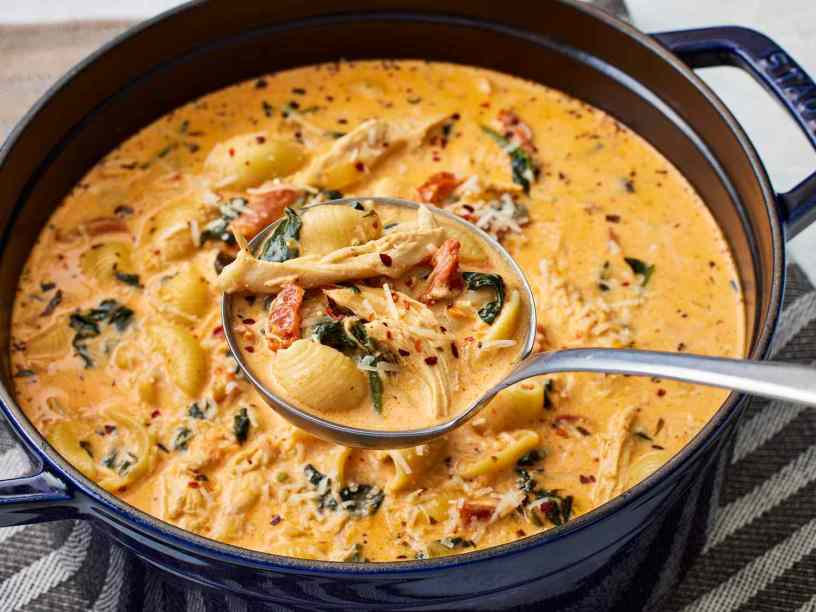
Introduction: Recipes as More Than Instructions
A recipe is often seen as a set of simple directions—a list of ingredients, measurements, and steps to follow. But beneath this utilitarian surface lies a deep well of meaning. Recipes are reflections of tradition, creativity, personal memory, and social connection. They are blueprints, yes, but they are also invitations—beckoning us to create, to share, and to savor.
Across centuries and cultures, recipes have played a silent yet powerful role in shaping human history and relationships. In the modern age, where food is photographed, shared, and reinvented at lightning speed, the humble recipe remains a deeply grounding and profoundly human artifact.
A Historical Glimpse: The Origins of the Recipe
The story of recipes is almost as old as the story of civilization itself. The earliest known recipes date back nearly 4,000 years to Mesopotamia, where they were etched onto clay tablets. These early instructions were sparse, usually without exact measurements or techniques, as they were written for those who already had culinary training.
As societies developed and literacy spread, recipes evolved from elite documents to household tools.
Key Developments Through Time
-
Ancient Civilizations: Recipes focused on ritual and communal meals, often tied to agriculture and religion.
-
Medieval Europe: Cookbooks like Le Viandier and Forme of Cury recorded complex feasts for aristocrats, though vague by modern standards.
-
18th and 19th Centuries: With the rise of the middle class, printed cookbooks became common in households. Recipes became more detailed and accessible.
-
20th Century to Today: Recipes adapted to busy lifestyles, dietary needs, and global influences, moving from books to television, then onto websites, apps, and social platforms.
The Structure of a Thoughtful Recipe
A recipe must be both clear and compelling. It should guide the reader while also inspiring them to feel something—curiosity, excitement, perhaps even nostalgia.
Essential Elements of an Excellent Recipe
-
Descriptive Title
A good title offers clarity and entices interest. “Lemon-Rosemary Roasted Chicken” gives far more context than just “Roast Chicken.” -
Ingredient List
Presented in order of use, each item should include quantity and any prep notes (e.g., “2 cups diced tomatoes,” “1 tablespoon olive oil, divided”). -
Step-by-Step Instructions
Written in logical order with action verbs, steps should be broken down clearly and include timing, texture, or color cues for reference. -
Serving and Yield Information
Knowing how many people a dish will serve helps with meal planning and waste reduction. -
Tips and Variations
This section invites customization, encourages substitution, and increases the recipe’s versatility.
When done right, a recipe is not a rigid rulebook—it’s a reliable friend that offers enough structure to support creativity and success.
Recipes as Cultural Connectors
Every culture has a culinary language of its own, shaped by geography, history, and shared experience. Recipes serve as translators across borders and generations. Through them, we can taste the world without leaving our kitchens.
How Recipes Preserve and Share Culture
-
Regional Identity: Dishes like Spanish paella, Ethiopian injera, or Thai green curry capture the soul of a place through local ingredients and techniques.
-
Tradition and Ritual: Recipes used in festivals, religious observances, or life milestones carry emotional and spiritual significance.
-
Diaspora and Adaptation: Immigrant families preserve cultural heritage through food, often blending ancestral recipes with local ingredients in beautiful, hybrid ways.
-
Generational Legacy: Recipes passed down in families become treasured heirlooms, often rich with memories and love.
To make a recipe from another culture is to step briefly into another way of life—and to learn through the universal act of nourishment.
Creativity in the Kitchen: Recipes as a Canvas
While recipes often begin as prescriptive guides, they are ultimately frameworks for personal expression. A home cook, inspired by a recipe, might make small adjustments that suit their palate, dietary needs, or available ingredients. Over time, these adjustments give rise to something entirely new.
Ways to Experiment with Recipes
-
Flavor Variations: Swap one spice blend for another, or mix sweet with savory elements to create contrast.
-
Ingredient Substitutions: Use plant-based alternatives, seasonal produce, or locally sourced items to refresh classic dishes.
-
Presentation and Texture: Change a dish’s form—for example, turn a soup into a creamy dip or convert a baked dessert into a frozen version.
-
Global Fusion: Mix techniques and flavors from different cultures—think Korean BBQ tacos or Indian-inspired risotto.
In this way, recipes empower cooks to become artists, crafting unique creations that reflect both tradition and individuality.
Emotional and Personal Dimensions of Recipes
Some of our most profound memories are attached to food. The smell of baking bread might recall a childhood home. The taste of a specific soup may bring back a grandparent’s gentle voice. Recipes, particularly those passed through generations, carry emotional weight and personal history.
Why Recipes Matter Emotionally
-
They Tell Stories: A stained recipe card might hold not only cooking instructions but also memories of hands that once prepared it.
-
They Offer Comfort: In times of stress or grief, recreating familiar dishes can be deeply soothing.
-
They Encourage Connection: Cooking a shared recipe with friends or family becomes a bonding ritual.
-
They Preserve Identity: Especially for those in diaspora, recipes serve as anchors to cultural and familial roots.
When we cook from these recipes, we aren’t just feeding ourselves—we are honoring those who came before us and those who taught us how to love through food.
The Digital Era: Recipes in the Age of Innovation
Technology has radically expanded access to recipes. From global food blogs and Instagram reels to AI-generated meal plans, modern recipes are highly visual, diverse, and instantly available.
Pros and Pitfalls of Digital Recipes
Advantages:
-
Immediate access to thousands of global dishes
-
Video tutorials and step-by-step guides
-
Community engagement through comments and ratings
-
Customization via smart filtering (dietary needs, prep time, ingredients on hand)
Challenges:
-
Oversaturation of content, leading to choice fatigue
-
Inconsistent quality or testing in user-generated content
-
Loss of tactile, emotional value compared to handwritten or family recipes
While the format has changed, the essential purpose of the recipe remains the same: to guide, inspire, and bring people together.
Conclusion: Recipes as a Reflection of Humanity
In a world that constantly shifts, recipes provide a rare combination of constancy and creativity. They help us remember, teach us new skills, and offer us the tools to connect—with ourselves, with others, and with the world. Whether inherited, discovered, or invented, recipes are tiny masterpieces—crafted with care, served with intention, and shared in love.
So, the next time you open a recipe, do so with reverence and curiosity. It is not just a pathway to dinner—it is a bridge to culture, memory, and meaning. And in cooking it, you do far more than follow steps—you breathe life into a tradition, one beautiful bite at a time.

