
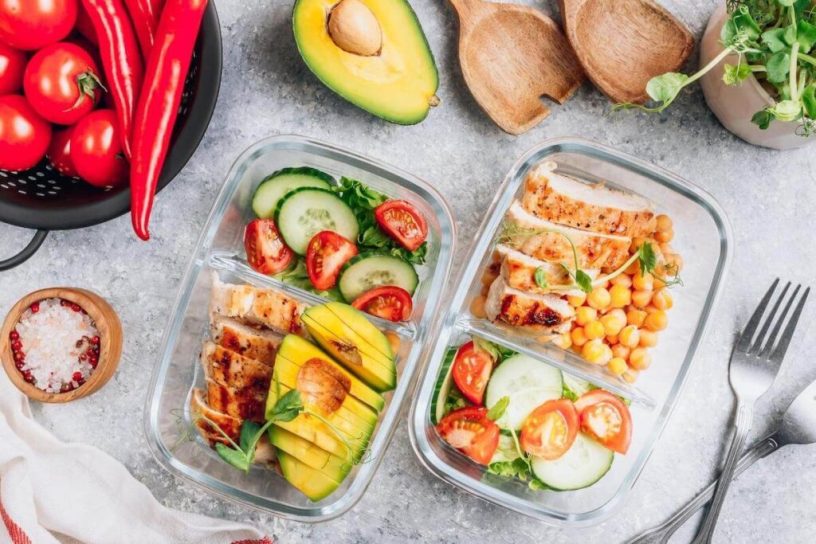
Introduction: The Elegance of Preparedness in the Kitchen
In the symphony of modern life, where work, wellness, and social commitments often overlap, the art of meal planning and preparation emerges not only as a matter of convenience but as a statement of intentional living. When executed thoughtfully, meal prep is not about rigid rules or bland repetition—it is about nourishment, creativity, and reclaiming time for what truly matters.
This article explores the nuanced practice of meal planning and preparation, offering a refined lens through which to approach your daily meals with elegance, efficiency, and satisfaction.
The Philosophy Behind Meal Planning
At its core, meal planning is an act of self-care and foresight. It allows individuals to make conscious choices about what they consume, aligning meals with health goals, personal tastes, and lifestyle demands. It’s about more than saving time; it’s about cultivating a nourishing relationship with food.
Benefits of Thoughtful Meal Planning
-
Reduces decision fatigue: Eliminates the daily stress of figuring out what to cook
-
Promotes healthier choices: Encourages intentional eating over impulse-based snacking
-
Saves money: Cuts down on unnecessary takeout and food waste
-
Enhances variety: Helps introduce diverse and balanced meals into your diet
-
Frees up mental space: Provides peace of mind knowing that meals are already sorted
Strategic Planning: The Blueprint for Success
Just as an architect wouldn’t build without a blueprint, a well-stocked and efficient kitchen begins with a clear plan. Meal planning doesn’t require elaborate spreadsheets—it simply needs structure and a touch of forethought.
Step 1: Assess Your Week
Begin by mapping out your upcoming week. Consider:
-
Work schedule and potential late evenings
-
Social events and dining out
-
Fitness goals and dietary requirements
-
Family preferences or restrictions
This overview helps determine how many meals you’ll need and their ideal complexity.
Step 2: Choose Your Recipes Wisely
Opt for dishes that are:
-
Nutritionally balanced: Aim for proteins, complex carbs, and healthy fats
-
Versatile: Ingredients that can be used across multiple meals
-
Storage-friendly: Foods that maintain texture and flavor after refrigeration or freezing
Incorporate a mix of quick dinners, slow-cooked meals, and grab-and-go lunches to maintain variety.
Step 3: Build a Cohesive Grocery List
Rather than listing items haphazardly, organize your grocery list by category:
-
Produce
-
Proteins
-
Pantry staples
-
Dairy & eggs
-
Frozen goods
-
Spices & condiments
This not only streamlines shopping but helps prevent forgotten ingredients or duplicate purchases.
The Art of Meal Prep: Where Precision Meets Pleasure
Meal prep often conjures images of rows of identical containers—but this needn’t be the case. At its best, meal prep blends culinary creativity with strategic batching, allowing your future self to eat well without fuss.
Techniques to Consider
-
Batch Cooking: Prepare large portions of staples such as grains, legumes, or proteins that can be portioned differently across meals.
-
Ingredient Prep: Chop vegetables, marinate proteins, or wash greens in advance. These simple tasks significantly cut down on daily cooking time.
-
Make-Ahead Meals: Fully cook some dishes and store them in the fridge or freezer for easy reheating later in the week.
-
Mix-and-Match Components: Cook several versatile components that can be combined in various ways, like grilled chicken, roasted veggies, and quinoa.
Storage Tips for Freshness
-
Use glass containers for better visibility and preservation
-
Label meals with dates to track freshness
-
Invest in stackable containers to optimize fridge space
-
Freeze items like stews, soups, or cooked grains in single portions
Elevating the Experience: Little Luxuries and Personal Touches
Meal planning does not have to feel mechanical. Infuse it with small joys:
-
Include a weekly “wildcard” meal to experiment with new cuisines
-
Prepare a luxurious breakfast or brunch for the weekend
-
Add herbs, citrus zest, or gourmet oils to elevate simple dishes
-
Invest in quality ingredients that bring pleasure—like aged cheese, artisan bread, or seasonal produce
Consider meal prep as a form of hospitality—for yourself and for those you love. The effort you invest today cultivates comfort and delight throughout the week.
Common Mistakes to Avoid
Even the most seasoned home cooks occasionally misstep. Being aware of these common pitfalls can make the process smoother:
-
Overplanning: Be realistic about how many meals you’ll actually eat at home
-
Lack of variety: Rotate cuisines and ingredients to avoid flavor fatigue
-
Ignoring perishables: Use the most delicate ingredients early in the week
-
Skipping prep tools: Sharp knives, storage containers, and a good cutting board are essential
-
Neglecting downtime: Build in rest days or flexible meals to allow spontaneity
Conclusion: A Lifestyle, Not a Chore
Meal planning and preparation are less about restriction and more about empowerment. When approached with intention and a touch of creativity, this routine becomes a lifestyle that supports health, reduces stress, and fosters culinary confidence.
Think of your kitchen not just as a place for chores, but as a personal atelier—where ingredients become art and planning becomes the palette for well-being. Whether you’re a busy professional, a parent juggling multiple priorities, or simply someone striving for a healthier balance, mastering the art of meal prep brings clarity, ease, and an undeniable sense of calm to the chaos of everyday life.

