
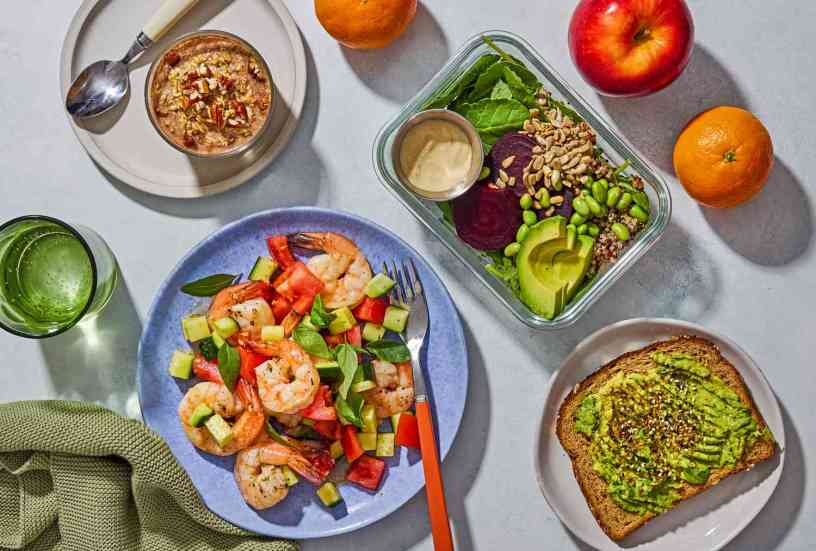
Introduction: Redefining the Modern Mealtime
In an era dominated by relentless schedules and digital distractions, the simple act of eating well has become more challenging than ever. Takeout apps tempt us with convenience, while last-minute grocery runs waste precious time. Against this backdrop, meal planning and preparation rise as a quietly transformative habit—not just a time-saver, but a practice of intentional living.
Meal prep is not a rigid system of control or soulless batch cooking. Done well, it is a graceful dance between strategy and creativity, balancing nourishment, variety, and pleasure. For those who appreciate structure but resist monotony, mastering meal planning is a key step toward a healthier, more harmonious lifestyle.
The Case for Meal Planning: Purpose Meets Practicality
Meal planning goes far beyond making grocery lists. It’s about making deliberate choices that support your health, budget, and peace of mind throughout the week. It transforms daily food decisions into thoughtful rituals rather than chaotic obligations.
Key Advantages of Meal Planning:
-
Time Efficiency: Spend less time each day wondering what’s for dinner or scrambling to assemble ingredients.
-
Better Nutrition: Plan balanced meals with vegetables, lean proteins, and whole grains instead of relying on quick-fix, processed options.
-
Cost Savings: Avoid waste by buying only what you need and cooking in bulk.
-
Less Stress: Remove the mental load of daily food decisions, especially during busy weeks.
-
More Variety: Avoid food fatigue with a diversified weekly menu rather than falling back on the same two meals.
The true luxury of meal planning lies in reclaiming your time and your table—with grace and intention.
Building a Foundation: The Essentials of Planning
The secret to successful meal prep is to start with a plan that suits your unique lifestyle. Whether you’re a parent cooking for a family or a professional living solo, the fundamentals remain consistent.
Step 1: Know Your Week
Before you open a cookbook or browse Pinterest, take stock of your upcoming commitments. Ask yourself:
-
How many meals will I be eating at home?
-
Will there be nights I’m too busy to cook?
-
Do I want to prep breakfasts, lunches, dinners—or all three?
This awareness shapes a plan that is both realistic and flexible.
Step 2: Choose Your Meals Strategically
Aim for a mix of recipes that are easy to execute, nourishing, and satisfying. A weekly plan might include:
-
One or two “anchor” meals that produce leftovers
-
A salad or bowl base that can be customized with toppings
-
A make-ahead soup or stew
-
A simple, nutritious breakfast you enjoy on repeat
-
One “wildcard” meal for creativity or trying something new
Step 3: Make a Smart Grocery List
Organize your shopping list by store sections—produce, dairy, pantry, protein—to save time and prevent impulse purchases. Don’t forget to take inventory of what you already have before heading out.
Step 4: Schedule a Prep Session
Set aside a dedicated window—perhaps Sunday afternoon or a quiet evening—to prep components or entire meals. Make it enjoyable: put on music, pour a coffee or glass of wine, and treat the experience as a self-care ritual.
Prepping Like a Pro: Techniques to Streamline Your Week
Meal prep does not mean eating the same dish five days in a row. The goal is to prepare versatile components that can be assembled into different meals throughout the week. This adds flexibility while still saving time.
Smart Meal Prep Strategies:
-
Batch Cooking: Make large portions of proteins like chicken or lentils, grains like rice or quinoa, and roasted vegetables. Use them in multiple meals.
-
Chopping Ahead: Wash and chop vegetables for quick salads, stir-fries, or snacks.
-
Marinate in Advance: Pre-season proteins for quick cooking later.
-
Portion Snacks: Divide nuts, fruit, or hummus into individual servings for grab-and-go ease.
-
Pre-Mix Dressings & Sauces: Having flavorful condiments ready elevates any simple dish.
Best Practices for Storage:
-
Use glass containers for longevity and freshness.
-
Label containers with the date to track shelf life.
-
Store grains and proteins separately from sauces to avoid sogginess.
-
Freeze any extra portions to reduce waste and prepare for busy days.
Avoiding Burnout: Keeping It Interesting
One of the biggest challenges of meal prep is monotony. Without variety, the joy of cooking (and eating) quickly fades. But with just a few mindful adjustments, your weekly plan can remain exciting and fulfilling.
Tips to Keep It Fresh:
-
Rotate Flavors: Use the same protein with different seasonings—e.g., chicken with chimichurri one day, and with ginger-garlic glaze the next.
-
Theme Your Nights: Try “Taco Tuesday” or “Meatless Monday” for structured variety.
-
Try Global Cuisines: Explore dishes from different cultures to introduce new spices and textures.
-
Leave Room for Spontaneity: Don’t over-plan every meal; keep one or two open for creativity or cravings.
The Emotional Side of Meal Prep
Beyond practical benefits, meal planning has a quiet emotional power. It creates stability during unpredictable weeks. It’s an act of nourishment, not just physically but mentally—a moment where you slow down and care for your future self.
Cooking for yourself or your family becomes an expression of love and attention. A well-stocked fridge becomes a source of calm. And that daily question—“What’s for dinner?”—no longer carries the weight of uncertainty.
Final Thoughts: Cultivating a Culinary Ritual
Meal planning and preparation, when done with care, are more than household chores—they are rituals of modern life that offer a rare combination of control and creativity. Rather than rushing through meals or relying on last-minute decisions, this process invites us to slow down, take charge, and infuse our days with intention.
A thoughtfully stocked kitchen, a plan that reflects your lifestyle, and a few hours of preparation each week can transform your relationship with food. And in a world that rarely pauses, having your meals planned and ready is a quiet luxury—an elegant step toward a more mindful life.

