
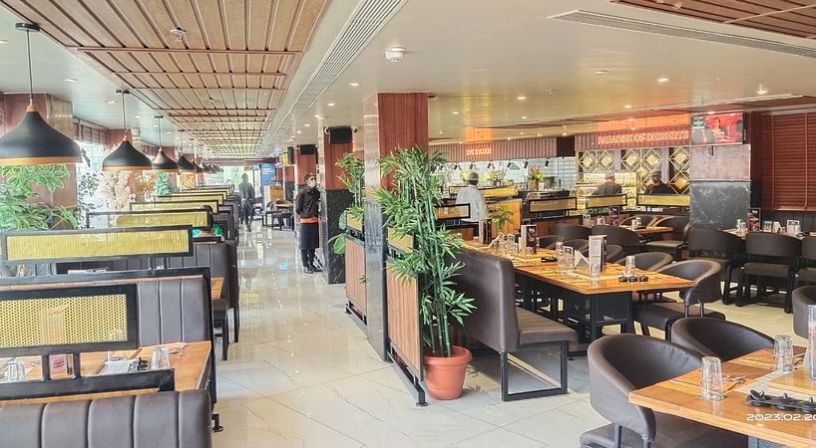
A restaurant is often perceived simply as a place to eat, but this notion grossly understates the rich cultural and social tapestry that each establishment weaves. More than just a venue for nourishment, restaurants embody a unique blend of artistry, hospitality, and human connection. They serve as reflections of society, canvases for culinary innovation, and hubs where memories are forged over shared meals. This exploration seeks to illuminate the nuanced world of restaurants, their evolution, and their enduring significance in contemporary life.
The Historical Roots and Evolution of the Restaurant Concept
To fully appreciate the modern restaurant, one must trace its origins. Early public eating spaces, such as inns and taverns, have existed since antiquity, serving weary travelers with basic fare. The concept of a dedicated establishment focusing on a variety of freshly prepared dishes, served à la carte, crystallized in 18th-century France. This shift revolutionized dining by introducing choice and customization, hallmarks that remain central to the restaurant experience today.
Over time, restaurants have proliferated globally, adapting to local cultures, tastes, and economic realities. From the street food stalls of Asia to the high-end dining rooms of Europe, each iteration presents a distinct narrative about the people and traditions it represents.
Defining the Restaurant Experience: Beyond the Plate
What truly sets a restaurant apart is the comprehensive experience it offers, a sophisticated choreography of atmosphere, service, and cuisine.
Ambiance: The Invisible Flavor Enhancer
The setting profoundly influences diners’ perceptions and enjoyment. Elements such as lighting, décor, acoustics, and seating arrangements work in harmony to craft an environment that complements the culinary offerings. Whether it is the rustic charm of a countryside bistro or the sleek minimalism of a contemporary eatery, ambiance shapes mood and expectation.
Culinary Artistry: The Heartbeat of Every Restaurant
Food is undeniably the centerpiece, yet it is the skill and creativity behind it that elevate a meal. A chef’s expertise in balancing flavors, textures, and presentation transforms ordinary ingredients into a multisensory delight. The kitchen becomes a stage where tradition meets innovation, and each dish is an expression of identity and passion.
Service: The Silent Ambassador of Hospitality
Exceptional service transcends mere efficiency; it is a nuanced dance of attentiveness, warmth, and intuition. Staff who anticipate needs without intrusion, offer knowledgeable recommendations, and gracefully manage challenges contribute significantly to a seamless dining journey. The finest meals can be diminished by poor service, while genuine hospitality often redeems minor flaws.
Social Dynamics: Restaurants as Communal Spaces
Restaurants are vital social arenas. They provide settings for celebrations, intimate conversations, business meetings, and casual gatherings. The shared act of dining fosters connection and dialogue, underscoring the human need for community and belonging.
A Spectrum of Dining: Exploring Restaurant Categories
Restaurants encompass a broad spectrum, each tailored to diverse tastes, occasions, and lifestyles. Understanding these categories offers insight into the industry’s adaptability and creativity.
-
Fine Dining: Characterized by meticulous attention to detail, fine dining establishments offer luxurious surroundings, refined menus, and exemplary service. They appeal to connoisseurs and those seeking memorable culinary journeys.
-
Casual Dining: Balancing quality with comfort, casual dining venues provide approachable menus in relaxed atmospheres, catering to families, friends, and everyday occasions.
-
Fast Food: Emphasizing speed and convenience, fast food outlets deliver consistent, affordable meals, often standardized across locations.
-
Cafés and Bistros: Intimate and informal, these venues focus on lighter fare, beverages, and ambiance conducive to leisurely visits or quick refreshment.
-
Ethnic and Specialty Restaurants: These establishments celebrate specific regional or cultural cuisines, offering authentic tastes and often serving as cultural ambassadors.
-
Pop-ups and Food Trucks: Reflecting trends toward flexibility and innovation, these formats allow chefs to experiment and reach new audiences with minimal overhead.
Contemporary Challenges and Opportunities in the Restaurant Industry
Operating a restaurant today involves navigating a complex landscape shaped by economic pressures, consumer expectations, and technological advancements.
-
Consistency and Quality Control: Maintaining high standards in every service instance requires rigorous training and operational discipline.
-
Cost Management: Balancing ingredient procurement, labor, and overhead costs is critical to sustaining profitability.
-
Health and Safety Compliance: Adhering to evolving regulations ensures customer safety but demands ongoing vigilance.
-
Meeting Modern Consumer Preferences: Trends toward sustainability, dietary inclusivity, and experiential dining push restaurants to innovate continually.
-
Leveraging Technology: Online reservations, delivery apps, digital menus, and social media marketing are now integral components of successful restaurant management.
The Future of Dining: Harmonizing Tradition and Innovation
The restaurant industry is poised for continued transformation. Sustainability initiatives such as farm-to-table sourcing, zero-waste kitchens, and ethical ingredient selection are gaining prominence. Technology is enabling more personalized and efficient service, while virtual and augmented reality may soon redefine dining atmospheres.
Yet, the essence of a great restaurant remains unchanged: the human desire for meaningful experiences and genuine connection through food. Those establishments that preserve this ethos while embracing progress will continue to thrive.
Conclusion: Restaurants as Cultural and Social Cornerstones
A restaurant transcends its function as a place to eat; it is a microcosm of cultural expression, a stage for culinary artistry, and a catalyst for social engagement. Each visit is an opportunity to explore new tastes, celebrate relationships, and participate in a time-honored tradition of communal dining. In an ever-changing world, restaurants offer a comforting constancy—a space where food nourishes both body and soul, and where every meal becomes a story worth savoring.

